Individual therapy
Weekly or biweekly sessions for adults, adolescents, couples, and families working through trauma, anxiety, depression, relationships, identity, and life transitions.
What therapy is like →Accepting new clients
Individual therapy, psychological assessment, and consultation for adults, adolescents, and families — at our Indianapolis office in Speedway or by telehealth across Indiana and in every PSYPACT participating state.
A training practice: doctoral practicum students provide care under licensed psychologist supervision.
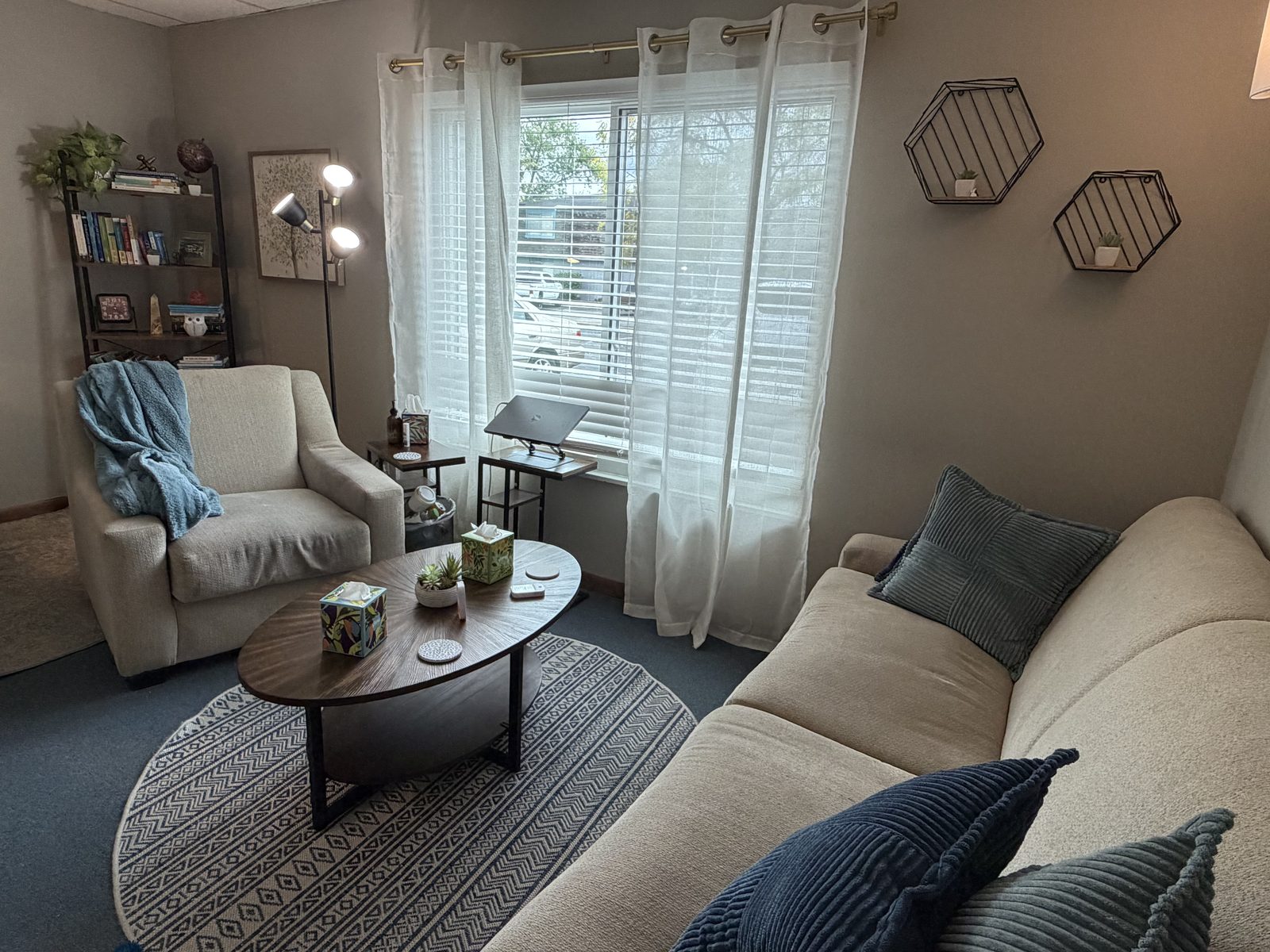
Every service starts with a conversation about what you are hoping will be different.
Weekly or biweekly sessions for adults, adolescents, couples, and families working through trauma, anxiety, depression, relationships, identity, and life transitions.
What therapy is like →Comprehensive evaluations to answer specific questions or to provide diagnostic clarification, establish treatment recommendations, request school and workplace accommodations, and/or assist in treatment planning.
How an assessment works →Clinical consultation for organizations and providers, plus doctoral practicum placements with structured, individual supervision.
About our training practice →Our mission
The aim of Maxwell Psychological Services is to provide a warm, safe, and non-judgmental space for clients to share their experiences and explore options for growth. We have years of experience working with individuals struggling with trauma, anxiety, depression, substance abuse, relationship difficulties, identity issues, and life transitions.
First and foremost, our goal is to build relationships in which clients feel safe and comfortable talking about the difficult issues that brought them to therapy. From there, we work from a person-centered approach: we collaborate with each client to identify their needs and goals, then draw on a range of evidence-based treatments to address them.
We believe treatment is not a “one size fits all” endeavor. Therapists and clients work together to define the client’s goals, draw on their individual strengths, and navigate whatever challenges may be getting in their way.
A small practice, on purpose. You will know who is treating you and who is supervising your care.
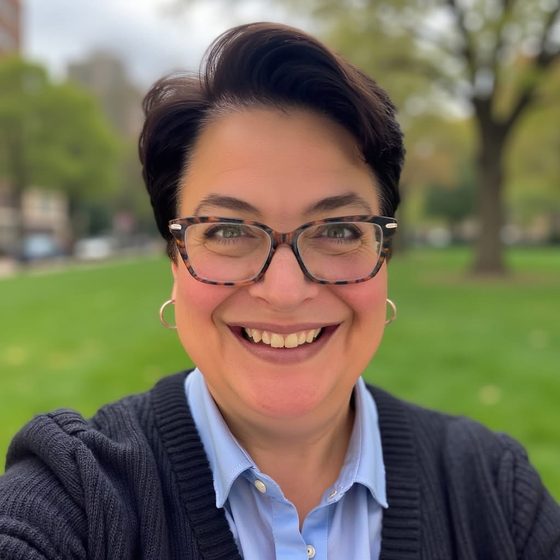
I have been a therapist for more than eighteen years, and most of that time has been spent in the same kind of room you will sit in here — with an individual, a couple, or a family, talking through something in their life that has not gone the way they expected.
I earned a doctorate in clinical psychology at the University of Indianapolis. I completed an APA-accredited internship and postdoctoral residency at the Bay Pines VA Medical Center in St. Petersburg, Florida. During my internship and residency years, I worked in emergency behavioral health, neuropsychology, women’s health, primary care, and the PTSD clinic. Much of how I think about safety, trust, and pacing in therapy comes from that work.
Growing up was difficult for me and because of that, I was always sensitive to the struggles of others. I think my own experiences (and the therapist who helped me to grow and heal from them) led me to pursue psychology as a profession. I genuinely love what I do and feel privileged to be able to create a safe space for others to grow and heal.
Past clients have told me I am easy to talk to, nonjudgmental, and good at guiding them through hard things with warmth and gentleness. I also love a good laugh, and when it fits, humor has a place in my sessions. I truly care about the people I work with, and I will do my best to help in whatever way I can.

Ashleigh is a Clinical Psychology Doctoral Practicum Trainee from the University of Indianapolis. She received her B.S. in Psychology from Montana State University in 2021. She then explored her interests through clinical coordination, assessment administration, and report writing at a private practice. She provided direct behavioral intervention for children with neurodevelopmental disorders to encourage independence and emotion regulation skills, and facilitated parent-trainings to support growth outside of clinical settings. Ashleigh also served as an advocate for a campus-wide advocacy group supporting survivors of sexual assault, relationship violence, and stalking — providing opportunities to utilize trauma-informed interventions and crisis response skills.
She has a broad scope of clinical interests including — but not limited to — trauma, neurodevelopmental disorders and neurodiversity, anxiety, depression, relationship difficulties, and struggles with identity. Additionally, she has a desire to increase access to care and utilize psychological assessments to inform treatment recommendations. Ashleigh believes building a strong therapeutic relationship through trust and collaboration is the foundation for progress to desired treatment goals.
Outside of work and school, Ashleigh enjoys reading, spending time with family and friends, enjoying nature, and crafting while watching movies or shows.
Some of our care is provided by doctoral practicum trainees completing supervised clinical training. We tell you this before your first appointment, not after — and you are always told who your supervising psychologist is.
Every trainee receives weekly individual supervision from Dr. Maxwell, who reviews the course of your care throughout. Sessions with a trainee are recorded for supervision, with your written consent.
If you would prefer to work with a licensed clinician, say so at intake. It changes nothing about how you are treated.
Doctoral students: practicum interviews take place in late January and early February. The practicum runs for the full academic year and includes both assessment and therapy. Get in touch.

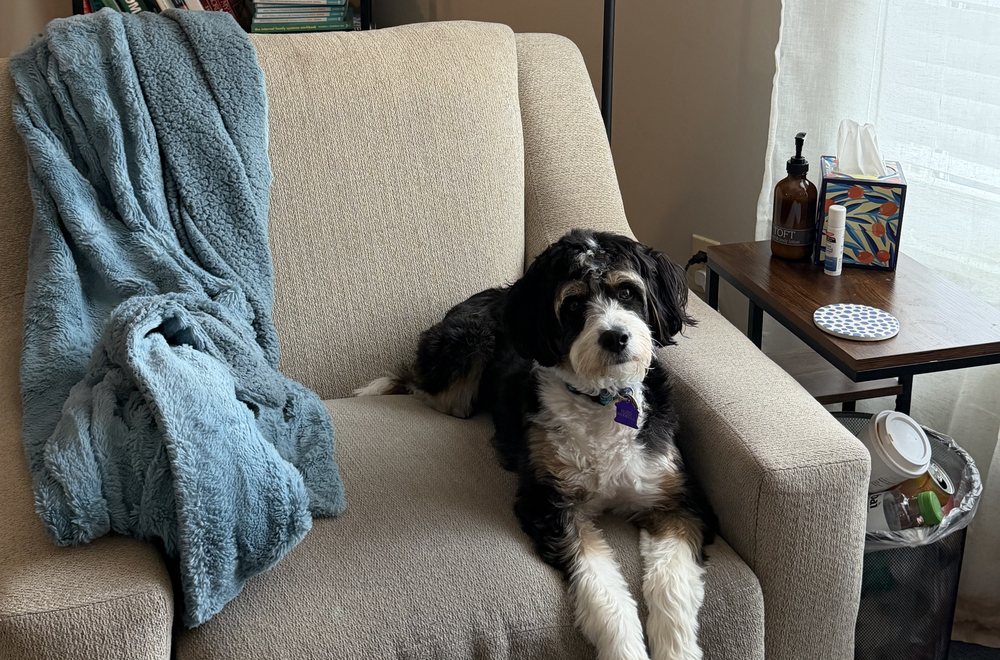
Hugo is often in the office. He is happy to sit with you, keep his distance, or stay out of the room entirely — whatever you prefer. Tell us at intake if you would rather not have a dog present, or if you have an allergy.
We know reaching out for help can be difficult. Please don’t hesitate to contact us with any questions about the therapeutic process or about working with us. We will do our best to answer them so that you can make an informed decision about how you wish to proceed. We look forward to hearing from you.
A gradual process that moves at your pace, with a therapist who listens first.
We start with a short video call. You can talk about what you are looking for in therapy, ask any questions you have, get to know the therapist, and decide together whether the match feels like a good fit.
In the initial sessions, the therapist asks questions and gathers history to better understand who you are. You are welcome to share as little or as much as you feel comfortable with.
As sessions progress and as you feel comfortable, you are invited to talk about the struggles you are experiencing in day-to-day life and how your symptoms are affecting you. The therapist will listen, ask questions, and offer guidance in whatever way seems appropriate, using evidence-based treatments and a person-centered approach.
A structured process that ends with clear answers and a report that belongs to you.
The therapist asks about your history (developmental, social, familial, educational, medical, etc.). The therapist will also ask about the symptoms you are experiencing and how they are affecting daily life.
After the interview, you receive a link to a set of assessments you can complete online. Most are relatively short. One is a longer, more comprehensive assessment that takes about 1–2 hours.
Depending on the questions we are trying to answer, there may be one additional assessment that requires an in-person visit to complete.
Once everything is complete, the therapist compiles, analyzes, and interprets the results and writes a comprehensive report combining the interview and the assessment findings. The report includes official diagnoses and recommendations for treatment. It belongs to you: you can take it to any provider you choose for help with obtaining or managing medication, or to request school and workplace accommodations.
Not seeing yours? Call the office at 317-682-9279 and ask.
Free parking in the lot, and the suite is on the ground floor.
New to the practice? Request a first appointment below and we will follow up to get you set up.
New Clients – Request AppointmentCurrent client? Schedule, reschedule, or cancel any time through the Client Portal.
Current Clients – LoginPrefer to talk first? Call 317-682-9279 or email info@maxwellpsychservices.com. Please don’t include clinical details in email — it is not a secure channel.
Client information
This notice describes how health information about you may be used and disclosed, and how you can get access to this information. Please review it carefully.
I understand that health information about you and your health care is personal. I am committed to protecting health information about you. I create a record of the care and services you receive from me. I need this record to provide you with quality care and to comply with certain legal requirements. This notice applies to all of the records of your care generated by this mental health care practice. This notice will tell you about the ways in which I may use and disclose health information about you. I also describe your rights to the health information I keep about you, and describe certain obligations I have regarding the use and disclosure of your health information.
I am required by law to:
The following categories describe different ways that I use and disclose health information. For each category of uses or disclosures I will explain what I mean and try to give some examples. Not every use or disclosure in a category will be listed. However, all of the ways I am permitted to use and disclose information will fall within one of the categories.
For treatment, payment, or health care operations. Federal privacy rules (regulations) allow health care providers who have a direct treatment relationship with the patient/client to use or disclose the patient/client’s personal health information without the patient’s written authorization, to carry out the health care provider’s own treatment, payment, or health care operations. I may also disclose your protected health information for the treatment activities of any health care provider. This too can be done without your written authorization. For example, if a clinician were to consult with another licensed health care provider about your condition, we would be permitted to use and disclose your personal health information, which is otherwise confidential, in order to assist the clinician in diagnosis and treatment of your mental health condition.
Disclosures for treatment purposes are not limited to the minimum necessary standard because therapists and other health care providers need access to the full record and/or full and complete information in order to provide quality care. The word “treatment” includes, among other things, the coordination and management of health care providers with a third party, consultations between health care providers, and referrals of a patient for health care from one health care provider to another.
Lawsuits and disputes. If you are involved in a lawsuit, I may disclose health information in response to a court or administrative order. I may also disclose health information about your child in response to a subpoena, discovery request, or other lawful process by someone else involved in the dispute, but only if efforts have been made to tell you about the request or to obtain an order protecting the information requested.
Supervision and training. Some care at this practice is provided by doctoral practicum trainees working under my supervision and my license. When a trainee provides your care, I remain professionally responsible for that care, and your PHI is used and disclosed by the trainee and by me for treatment, payment, and health care operations exactly as described in this notice. In practice, this means:
Subject to certain limitations in the law, I can use and disclose your PHI without your authorization for the following reasons:
Disclosures to family, friends, or others. I may provide your PHI to a family member, friend, or other person that you indicate is involved in your care or the payment for your health care, unless you object in whole or in part. The opportunity to consent may be obtained retroactively in emergency situations.
This notice went into effect on 04/25/2020. To ask a question, request a paper copy, or exercise any of the rights above, contact Dr. Maxwell at 317-682-9279 or info@maxwellpsychservices.com.
Client information
If you are uninsured or choose not to use insurance, you have the right to receive a written Good Faith Estimate of expected charges before you begin care.
Under the federal No Surprises Act, health care providers must give clients who do not have insurance, or who choose not to use their insurance, a written estimate of expected charges for medical services, including psychological services. This is called a Good Faith Estimate.
Your Good Faith Estimate lists the services we expect to provide, the billing code for each, the expected charge, and the practice’s identifying information. It is based on what we know about your care at the time it is written. It is an estimate, not a contract, and it does not require you to receive the services listed. If your needs change during treatment, actual costs may differ, and we will give you an updated estimate.
If you are paying for care yourself, including on our sliding scale, we will send your Good Faith Estimate through the Client Portal along with your intake paperwork before your first session. You can review it, ask questions, and sign it there. If you are using in-network insurance (Anthem Blue Cross/Blue Shield, Aetna, UnitedHealthcare, or Cigna), this notice does not apply to you; your plan determines your costs, and we are glad to help you understand your benefits.
For questions about your estimate, contact the office using the information below. For more information about your right to a Good Faith Estimate, or to start a dispute, visit www.cms.gov/nosurprises or call 1-800-985-3059.
Call 317-682-9279 or email info@maxwellpsychservices.com and we will walk you through fees, the sliding scale, and what your plan is likely to cover.